CRDN News
CRDN celebrates Rare Disease Day 2025
On Rare Disease Day 2025, CRDN participated in national events, fostering collaboration, raising awareness, and sharing updates on progress thus far..
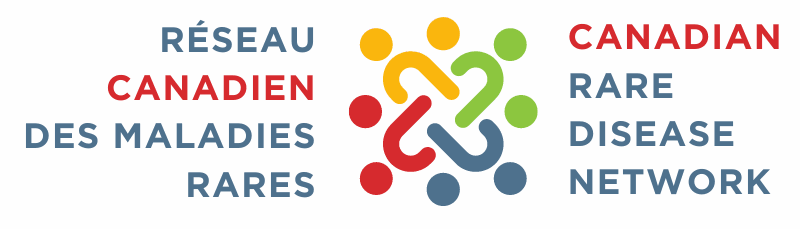

On Rare Disease Day 2025, CRDN participated in national events, fostering collaboration, raising awareness, and sharing updates on progress thus far..
CHEO’s groundbreaking ThinkRare algorithm is transforming rare disease diagnosis by flagging young patients who may benefit from genetic testing earlier.
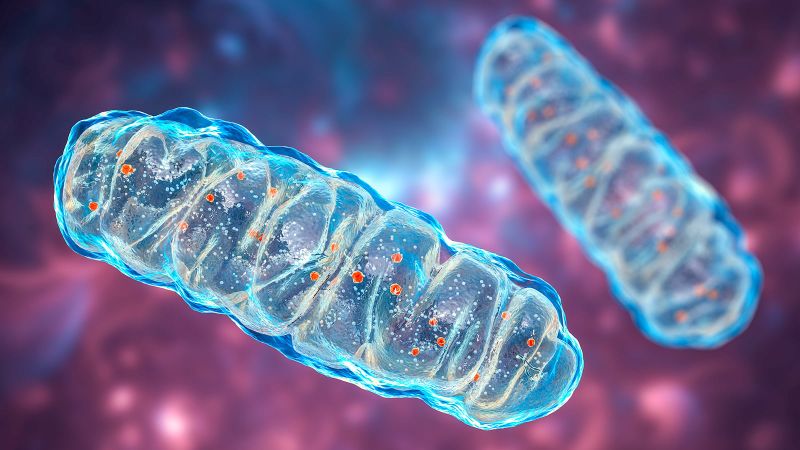
University of Alberta researchers have found that urine testing could help diagnose mitochondrial diseases faster and more accurately, reducing the need for invasive muscle biopsies.
The RDI-Lancet Commission on Rare Diseases has officially launched, co-chaired by CRDN’s own Dr. Kym Boycott, to develop evidence-based policy solutions that enhance healthcare for Persons Living with a Rare Disease (PLWRD) worldwide.
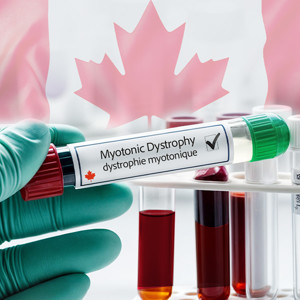
Muscular Dystrophy Canada has launched a groundbreaking initiative offering no-cost genetic testing and counseling for individuals with suspected myotonic dystrophy, aiming to improve early diagnosis and access to life-changing treatments.
Ontario has signed an agreement with Health Canada under the National Strategy for Drugs for Rare Diseases! This $535 million investment will improve access to new and existing drugs for r rare diseases, while supporting early diagnosis and screening.

Fifteen students living with rare diseases from five provinces haven been selected for the first RAREvolution Scholars cohort.

CRDN’s second Open Access Government article explores why data infrastructure must be treated as a core foundation of rare disease diagnosis, care, and discovery in Canada.

Georgina Grahame-King shares her experience of living with reactive hypoglycemia as a teenager and learning to advocate for herself.

CRDN has launched a new scholarship resource to help students and families affected by rare diseases discover educational funding opportunities from across Canada.

CRDN has launched the RAREvolution Scholarship Program, the first pan-Canadian, pan-rare disease scholarship initiative to support students living with rare diseases as they pursue post-secondary education.

CRDN has submitted a response to Health Canada, highlighting four key recommendations to ensure Canada’s clinical trial regulations are modern, proportionate, and supportive of rare disease research.