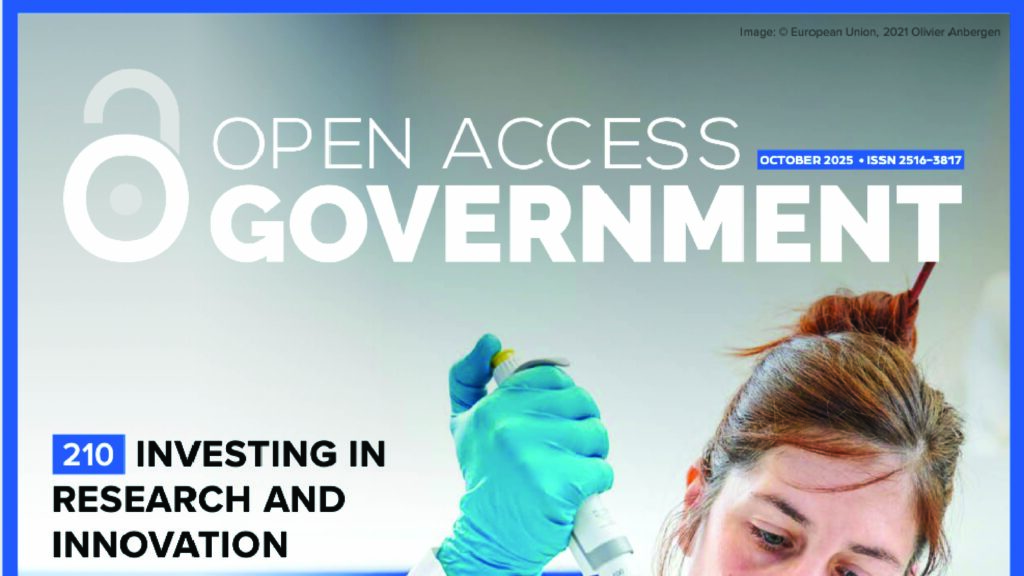


CRDN featured in Open Access Government
CRDN is featured in Open Access Government, highlighting its efforts to connect care, research, and lived experience to strengthen support for people living with rare diseases in Canada.
News related to rare disease, including patient stories, new programs and initiatives, and more.

CRDN is featured in Open Access Government, highlighting its efforts to connect care, research, and lived experience to strengthen support for people living with rare diseases in Canada.

Health Canada has released guidance on expanded access clinical trials, a regulated pathway that allows patients to access investigational drugs when standard clinical trials are not available or suitable.

Researchers at the University of Saskatchewan (USask) have published the first Canadian clinical guidelines for Spinal Bulbar Muscular Atrophy (SBMA), a rare hereditary neuromuscular disorder. These guidelines mark a milestone in advancing culturally responsive, multidisciplinary care for SBMA across Canada.

Children’s Hospital in London is transforming the future for kids with rare diseases through earlier diagnoses, innovative therapies, and access to clinical trials.

U of A team identifies a peptide additive that improves the effect of existing genetic therapies for the most common type of the neuromuscular disease.

CRDN has launched a Rare Disease Awareness Days Calendar, a go-to guide for key dates to help raise awareness, spark advocacy, and connect our rare disease community year-round.
Stay updated with the latest developments and events from the CRDN as we advance rare disease research and care across Canada.

CRDN joined leaders from across Canada at the RareKids-CAN Conference and co-hosted a mini workshop on pre-clinical therapy development.

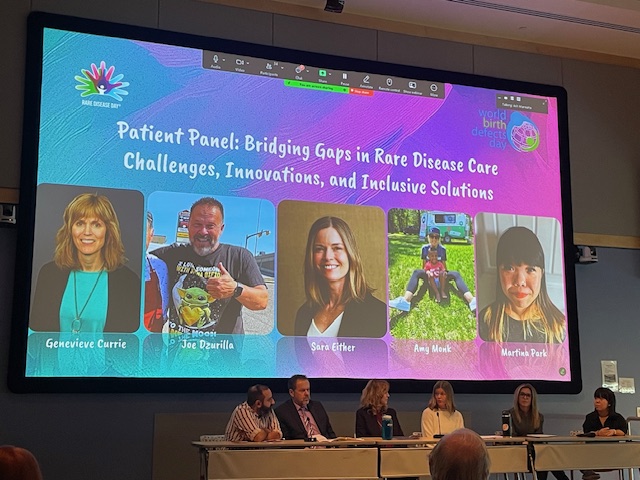
On Rare Disease Day 2025, CRDN participated in national events, fostering collaboration, raising awareness, and sharing updates on progress thus far..

CRDN proudly supports the WHA Resolution on Rare Diseases, aligning with our mission to advance care, research, and health equity for Canada’s rare disease community through global collaboration.

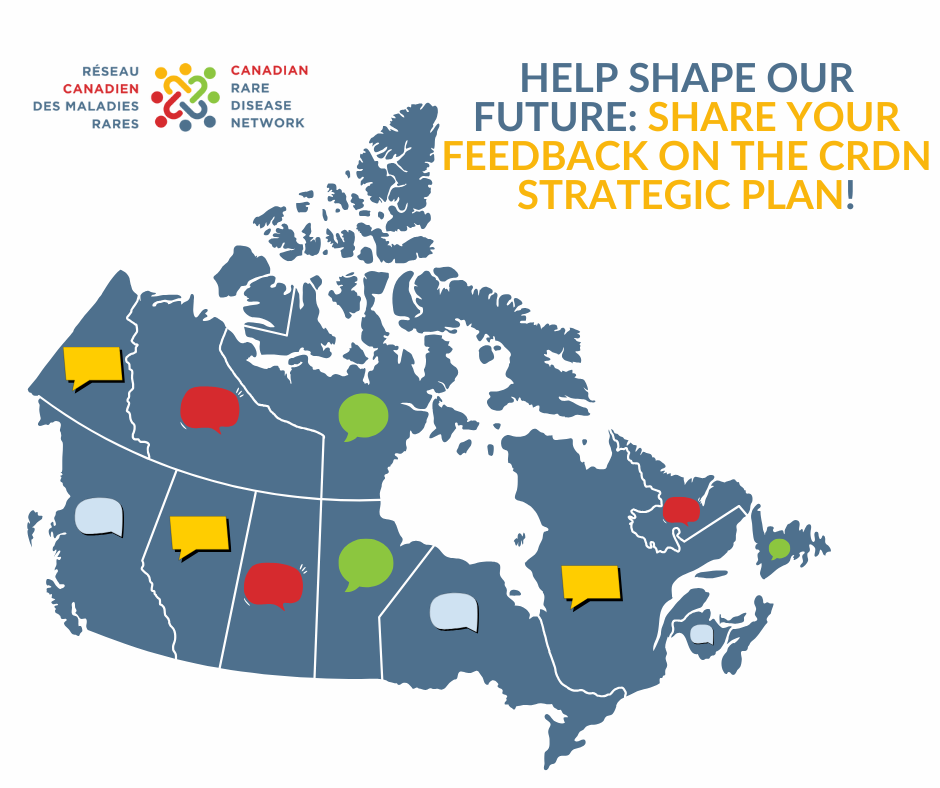
CRDN invites the rare disease community to take part in a survey to share feedback on our draft strategic plan, helping us ensure it meets the needs of the entire community.

The Patient and Community Engagement Research (PaCER) program is launching its January 2025 cohort, focusing on how rare diseases impact families. This unique, fully sponsored opportunity invites parents from across Canada to collaborate and share their experiences.

CRDN, alongside MICYRN and RareKids-CAN, will support the newly launched European Rare Diseases Research Alliance (EDERA), ensuring that Canada’s rare disease landscape is aligned with international efforts.