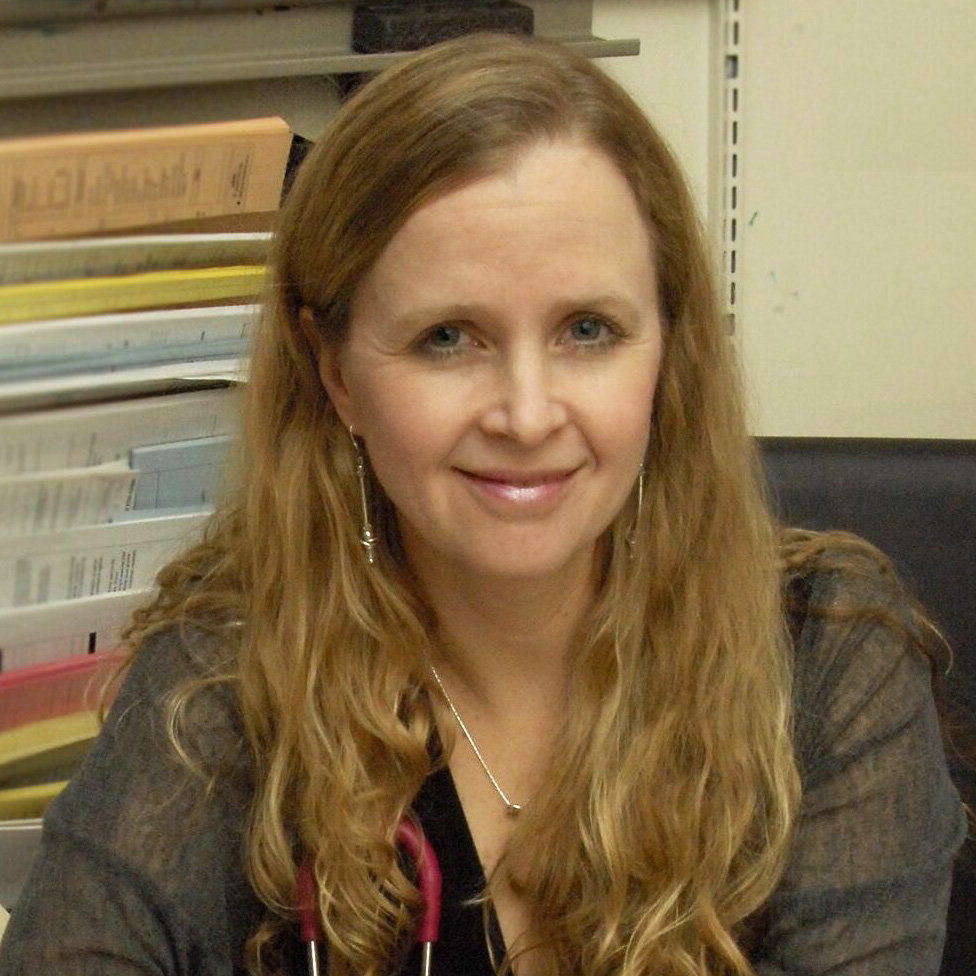

Dr. Leanne Ward is a Professor of Pediatrics in the Faculty of Medicine at the University of Ottawa where she holds a Tier 1 Research Chair in Pediatric Genetic and Metabolic Bone Disorders. Dr. Ward is the Scientific Director of The Ottawa Pediatric Bone Health Research Group at the Children’s Hospital of Eastern Ontario (CHEO) Research Institute, The Medical Director of the Pediatric Endocrinology-Osteology Clinic at the Children’s Hospital of Eastern Ontario, and a pediatric endocrinologist-osteologist in the CHEO Division of Endocrinology. In 2014, she founded The Canadian Consortium for Children’s Bone Health, a national, multi-disciplinary network of clinicians and scientists that fosters health professional education and research in childhood-onset bone disorders and The Canadian Alliance for Rare Disorders of the Skeleton (a patient advocacy initiative). Dr. Ward’s research program is dedicated to the diagnosis and treatment of childhood-onset bone disorders including skeletal dysplasias, bone fragility and mineralization disorders, and osteoporosis due to chronic illnesses. The Ward lab has a particular focus on therapeutic trials in childhood-onset bone disorders, emphasizing skeletal health outcomes quantified through central skeletal imaging, and the study of novel drugs to mitigate the functional consequences of rare bone diseases.
Here is what she has to say about rare diseases:
1. In your opinion, what are some of the biggest challenges facing the rare disease community today?
There are myriad challenges facing the rare disease community, starting with the length of time to a formal diagnosis. An accurate diagnosis opens the doors to understanding the individual’s signs and symptoms, as well as the trajectory of the condition. Finding a team of health care providers with the necessary expertise to manage the condition is another major barrier, along with the limited availability of specialized therapies for the majority of individuals with rare diseases in Canada. Distance from experts plus time off work and school, as well as the emotional toll of living with a rare condition are additional hurdles. In my experience, individuals with rare conditions are extremely resilient, which is no surprise given all that they experience on their “rare journey”.
2. What are specific areas within the rare disease landscape that particularly excite you and why?
There are exciting initiatives under way across Canada including RareKids-CAN, a CIHR-funded program empowering pediatric rare disease clinical trials. The Canadian Rare Disease Network (CRDN), an initiative centred on enhancing the quality of life for patients and families affected by rare disease, will focus in parallel on improved standards of care and accelerating pre-clinical research, access to rare disease therapies, and holistic strategies to support patients on their journey. As a clinician scientist taking care of patients with rare bone disorders, I am particularly excited by efforts to improve access to specialized therapies that have the potential to make a significant difference in the life of an individual living with a rare condition.
3. How would you describe yourself in one sentence?
I would describe myself as passionate and earnest about my work, ignited by patients’ unmet needs and fueled by the relationships that are so critical to moving forward.